The Science of Energy Balance in Humans

Educational article on how the body manages, utilizes, and stores energy from consumed nutrients.

Fundamental Energy Principles

Energy balance refers to the relationship between energy intake—the calories consumed through food and beverages—and energy expenditure—the calories used by the body for maintenance, activity, and metabolic processes. This represents one of the most fundamental concepts in nutrition science and human physiology.

The laws of thermodynamics apply to biological systems. When energy intake exceeds expenditure, the body stores excess energy, primarily as fat tissue. When expenditure exceeds intake, the body mobilizes stored energy reserves. When these forces balance, body composition remains relatively stable.

However, energy balance operates within complex biological systems involving numerous hormones, neurotransmitters, and metabolic pathways. It is not a simple mechanical equation, but rather a dynamic process involving continuous regulation and adaptation.
Energy balance scientific visualization

Energy Expenditure Components

Total daily energy expenditure consists of three primary components:

Basal Metabolic Rate (BMR)

This represents the energy required to maintain essential physiological functions at rest—maintaining body temperature, supporting cellular processes, and sustaining organ function. BMR typically accounts for 60-75% of daily energy expenditure in sedentary individuals. It is influenced by body composition, age, sex, genetics, and hormonal status.

Thermic Effect of Food (TEF)

Also called diet-induced thermogenesis, TEF represents the energy required to digest, absorb, and process nutrients from food. Different macronutrients require different amounts of energy to process. Protein requires approximately 20-30% of its calories for processing, while carbohydrates require 5-10%, and fats require 0-3%. This contributes roughly 10% to daily energy expenditure.

Activity Energy Expenditure

This includes energy expended during intentional exercise and physical activity, as well as non-exercise activity thermogenesis (NEAT)—the energy expended through occupational activities, fidgeting, and maintaining posture. Physical activity and NEAT combine to contribute 15-30% of daily energy expenditure, varying greatly between individuals.

Energy Intake and Nutrient Processing

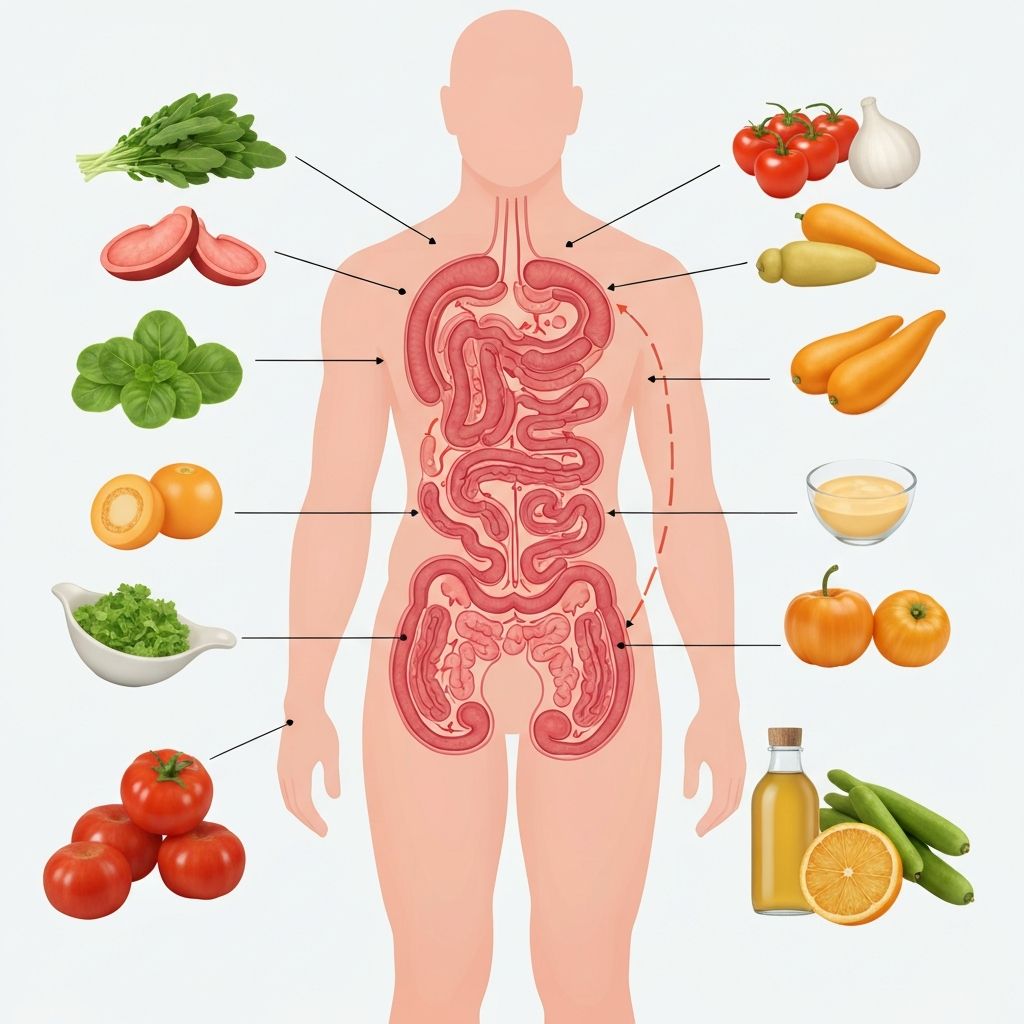
The digestive system breaks down consumed food into constituent nutrients. Proteins are hydrolyzed into amino acids, carbohydrates into glucose molecules, and fats into fatty acids and glycerol. These components are then absorbed through the intestinal wall and enter the bloodstream for transport to cells throughout the body.

The liver, pancreas, and various hormones regulate how these nutrients are processed. Some energy is immediately available for cellular use. Some is stored as glycogen in the liver and muscles. Excess energy is converted to fatty acids and stored as triglycerides in adipose tissue.

The body exhibits metabolic flexibility—the ability to shift between using different fuel sources depending on availability and physiological state. After a meal rich in carbohydrates, the body preferentially uses glucose. During periods of fasting or low carbohydrate availability, it shifts toward using stored fat as fuel.

Hormonal Regulation of Energy Balance

Multiple hormones influence hunger, satiety, energy storage, and expenditure:

  • Leptin: Produced by adipose tissue, signals energy stores to the brain, generally promoting satiety at appropriate levels
  • Ghrelin: Produced by the stomach, stimulates appetite and hunger sensations
  • Insulin: Produced by the pancreas, facilitates nutrient uptake into cells and promotes energy storage
  • Glucagon: Produced by the pancreas, promotes mobilization of stored glucose
  • Thyroid hormones: Regulate metabolic rate and energy expenditure
  • Cortisol: Affects metabolism and energy partitioning, particularly during stress

These hormones do not operate in isolation but rather as interconnected systems continuously adjusting to maintain physiological stability.

Metabolic Adaptation and Individual Variation

The body exhibits remarkable adaptability. During periods of reduced energy intake, metabolic rate decreases to conserve energy. This adaptive thermogenesis involves reduced activity in metabolically expensive tissues and alterations in hormone levels. Conversely, when energy availability increases, metabolic rate may increase, though this adaptation is typically less pronounced than the decrease during restriction.

Individual responses to similar energy intake and expenditure vary considerably due to genetic factors, existing metabolic adaptation, age, sex, ethnicity, and gut microbiota composition. People with different genetic backgrounds, for example, may show different susceptibility to shifts in body composition in response to dietary changes.

This explains why generalized energy balance recommendations do not produce identical results in all individuals. The same dietary and activity pattern produces different outcomes in different people due to their unique physiological characteristics.

Long-Term Energy Balance and Body Composition

Over extended periods, consistent energy balance determines changes in body composition. Sustained energy deficit results in fat mass loss, though some lean tissue may also decrease. Sustained energy surplus results in accumulation of both fat and lean tissue, with the proportion depending on factors like physical training and nutrient composition.

However, energy balance operates within living systems subject to continuous regulation, not mechanical systems. The body possesses mechanisms that resist extreme changes in body composition, which explains why losing fat or gaining muscle proves difficult for many people despite apparent energy balance calculations.

Understanding energy balance provides a framework for comprehending how diet and activity influence body composition, but this framework must be understood as operating within complex, adaptive biological systems rather than as a simple mechanical equation.

Information Context

This article presents general educational information about energy balance mechanisms in human physiology. It describes how biological systems function, not how to apply this information to individual cases. Personal responses to energy balance vary based on unique physiological characteristics, genetics, age, sex, and health status. Individual decisions about diet and activity should consider personal circumstances, preferences, and health considerations. Individuals with specific health concerns should consult qualified healthcare professionals.

Return to blog articles